


The Australian Army’s traditional recruitment methods, including advertising, public relations (PR), and community engagement, are no longer sufficient to meet the National Defence Strategy target of 69,000 personnel by the early 2030s. These methods are increasingly constrained by audience fragmentation, declining institutional trust, shorter attention spans, and the fleeting lifespan of campaign-based communications.
To shift long-term propensity to serve, the Army must move beyond traditional communication and advertising models that interrupt people’s entertainment and instead become part of the entertainment, sport, and cultural experiences Australians actively choose. An ‘always-on’ storytelling and cultural engagement capability spanning long-form entertainment, sport, creator ecosystems, and participatory experiences would build the relatability and relevance required to create genuine value for Army audiences.
Modern audiences seek authenticity and emotional truth. Real, raw long-form storytelling and culturally embedded sporting experiences would enable the Army to authentically connect modern Army life with a younger demographic and strengthen trust in an era of institutional scepticism.
A progressive organisational mindset, supported by agile approval frameworks and a willingness to test new formats, is required. This will ensure the success of an audience, entertainment, and community-first model that endures beyond traditional media cycles, sustains recruitment, and ensures the Army’s relevance beyond Anzac Day in the community.
Scope
This article focuses on how long‑form entertainment and sports integration would support Army attraction efforts by building a sustained cultural presence. It will not examine environmental factors, such as the impact of conflict or perceptions of national security, nor will it address broader recruitment issues, such as the quality of applications, recruitment technology, talent analytics, or process efficiency.
Recruitment pool and the need for cultural familiarity
Australia’s recruitment pool is inherently small. As Phillip Hoglin’s A Deep Dive Into Our Tiny Recruitment Pool outlines, the Australian Defence Force draws primarily from 17–24‑year‑olds, a narrow demographic with tight eligibility constraints. Increasing the number of Australians who consider Army service depends on long-term familiarity, cultural presence and regular exposure to stories that make the Army recognisable beyond ANZAC traditions or conflict-driven news cycles. Familiarity demands more than sporadic marketing campaigns; it requires culturally attuned messaging embedded in everyday content and conversations.
The media landscape and why long‑form matters
The media landscape has transformed dramatically. Younger Australians skip ads, scroll past branded content, and consume far less linear media. What captures their attention is entertainment, storytelling, and trusted creators. Popular culture, rather than formal messaging, now shapes understanding, aspiration, and identity. A television or long-form entertainment streaming series can sustain attention for weeks or months, providing repeated exposure that traditional campaigns cannot replicate. Long-form entertainment has cultural persistence; it becomes part of conversation and shared identity, delivering enduring awareness.
Recognising younger audiences’ affinity for popular-culture-driven storytelling, brands are shifting towards branded entertainment, embedding their brand within the narrative rather than positioning it as an external advertiser. According to industry analysis, branded entertainment ‘immerses audiences in your story,’ creating strong emotional connections that traditional advertising struggles to achieve. On-demand streaming platforms such as Netflix offer the Army an unparalleled opportunity to reach audiences in environments designed for deep engagement.
Australia’s local content requirements have also created sustained demand for long-form Australian storytelling. This unlocks funding opportunities and partnerships with streamers and networks as they work to meet quotas. Army’s presence in premium entertainment enables it to engage Australians at scale through trusted cultural platforms. When well executed, this content can move beyond ‘informing’ the public and build cultural relevance.
Limitations of the current approach
Defence’s current communication model is anchored in surges of activity, marketing campaigns, key events, PR cycles, and official announcements. Although important, these methods do not reflect contemporary audience media engagement and cannot sustain relevance or emotional connection as trends evolve.
Contemporary audiences do not suddenly take an interest in Defence prompted by an advertisement or news article. Their attention is shaped over time by the stories they follow, the communities they belong to, the creators they trust, the sport they consume, and the entertainment they actively engage with.
Traditional communication material is often filtered and centred on the achievements of past generations, leaning heavily on Anzac heritage or formal, institutional representations of service, which can limit relatability and relevance. A modern, authentic Army, showcased through the raw, challenging, diverse, humorous, and vulnerable lives of real people is imperative to prevent the Army from speaking in a fading cultural language. Extensive approval frameworks further limit the Army’s ability to leverage cultural moments and widen the cultural disconnect from the audience’s reality.
Risk appetite, authenticity, and mindset
The Army’s public-facing activities often reflect a disproportionate fear of reputational harm. While operational command entrusts junior leaders with enormous responsibility, communication processes frequently treat public engagement as a liability, limiting the Army’s ability to operate in the communications landscape with confidence. Modern audiences are sceptical of the overly polished, heavily scripted, or institutionally sanitised content that risk-averse processes produce.
During the Chief of Army History Conference 2025, Deputy Chief of Army, Major General Chris Smith, emphasised the need for simple language to reflect the reality of war and the true nature of the Army. Authentic storytelling is grounded in operational reality rather than abstract jargon or clearances. When the Army speaks in abstraction or avoids showing the realities of service, it weakens its ability to build trust.
Authenticity is not a reputational risk; it is a reputational asset. Defence forces in other nations have embraced this, capitalising on creator partnerships and always-on streaming content ecosystems to strengthen public resonance. Australia can learn from these models while shaping a culturally specific approach of its own, keeping pace with the speed of society. Authenticity alone, however, is no longer enough. The Army must cut through cynicism. A more confident narrative posture is necessary to stand out in today’s entertainment environment and to drive recruitment targets.
A mindset shift is critical. The Army must recalibrate its risk appetite, enabling communications that connect with audiences increasingly resistant to corporate polish and drawn to honest, grounded storytelling that embraces imperfections, humour, and humanity.
As a result, the challenge for Army is no longer simply to ‘tell its story’ or to build trust. It is to break through cynicism and move at the speed of culture. A more confident narrative posture is necessary to compete in today’s information environment and to meet recruitment targets. We cannot afford to completely de-risk every form of public engagement when the speed of culture, media, and audience behaviour is moving faster than our current processes allow. If we don’t change now, Army risks losing cultural relevance, and we will not meet our recruitment targets.
Share of voice and the growing competitive landscape
The Army’s absence from long‑form cultural storytelling has become increasingly noticeable as other services and sectors fill the space on Australian screens. The Navy has supported NCIS: Sydney, the Air Force has featured in Nine’s coverage of the Roulettes, and emergency services have become staples of reality‑based television. A significant recruitment competitor, Australian Mining, has also invested in compelling storytelling with Prime Video Flying Miners. The Army risks diminishing its relevance by abstaining from productions that market rivals are engaging in to humanise and connect their industries and people with Australian viewers.
Historically, shows such as SBS’s Real Top Guns, and documentaries aired on the Special Air Service attempted to influence Australia’s national understanding of Defence. The most relevant Australian Defence long-form entertainment example is Sea Patrol. Unfortunately, there is no sustained, modern portrayal capturing today’s Army, its people, technologies, challenges, diversity, and contribution. Instead, the United States (US) portrayals through movies like Jarhead or Netflix’s Boots and Marines fill the gap, often portraying Army life in ways that are misaligned with Australian service, values, and culture.
Benefits of a long‑form and cultural integration strategy
Long-form entertainment and cultural integration position the Army to move beyond transactional communication and build lasting emotional resonance through authenticity. Audiences’ connection with characters and narratives ingrains values and messages long after the final episode. This positions the Army not just as an institution but as a human organisation with purpose and depth.
This approach would enhance recruitment by reaching a target audience that avoids traditional advertising and by remaining accessible indefinitely, offering greater longevity and cultural presence than traditional campaigns. Importantly, it would also support strategic communication by deepening national connection and the public’s understanding of the Army.
Sport as cultural infrastructure
Sport in Australia is not merely a channel for communication; it is a core form of social infrastructure that shapes ritual, identity, belonging, and shared experience in ways few other cultural institutions can.
Integrating Defence into major sporting events elevates the atmosphere and deepens community engagement by instilling a powerful sense of ceremony, pride, and national connection. Flyovers deliver a dramatic display of capability, while veteran recognition and Anzac Day Round traditions honour service and sacrifice. The presentation of the game-day ball, military-inspired team uniforms, on-field tributes, and the showcasing of military bands and precision drill teams further strengthen the bond between Defence and the sporting community, creating memorable moments that resonate with audiences and reinforce shared values of teamwork, resilience, and respect.
Marty Wirth, founder and CEO of Present Company, acknowledges the power of sport and culture for Defence. ‘Sport creates shared ground. It gives Defence permission to show up through teamwork, challenge, resilience, and belonging rather than formal messaging. That is where trust is built.’
Recent research from the Present Company and The Growth Distillery, Sporting Nation 2025, found that among Australians under 40, almost 60 per cent of time spent engaging with sport now occurs beyond the live broadcast. This extension of sport creates another avenue for Defence to become entrenched in the stories, rituals, and communities that surround sport.
Anzac Day
Anzac Day remains one of the most powerful cultural moments for the Army, continuing to generate a surge in national pride, interest in service, and positive sentiment towards Defence. However, audience behaviour has shifted towards year-round engagement rather than singular annual rituals. Present Company’s Sporting Nation research supports the view that Australians increasingly build loyalty and identity through year-round rituals rather than singular moments.
To maintain relevance, Anzac Day must become the focal point of a broader, ongoing presence, not the only time Defence actively enters the national public consciousness. A year-round cultural model would ensure Anzac Day deepens familiarity, enriching the bond between the Australian community and Defence and making it the emotional summit of a long-standing relationship.
The opportunity
The Army should seize the opportunity to establish a cultural engagement and long-form entertainment capability, supported by specialist external creative, production, and entertainment partners. Working across scripted and unscripted formats, social platforms, sport, and live experiences, an entertainment capability of this nature would build a pipeline of powerful storytelling that reveals who serves, what drives them, and why their work matters.
Modern warfighting is intellectually demanding, technologically rich, and deeply human. As creative leaders such as Paul Reardon of TBWA have emphasised, ‘these stories are unable to be compressed into a 30-second advertisement, as such a format does not permit the required narrative depth, emotional space and relatable characters that long-form storytelling enables.’
The objective is not to commercialise Defence or dilute its purpose. It is to harness entertainment as a sustained engagement rather than a one-off communications initiative, bringing modern stories of service and contribution to the Australian public through formats people actively choose. Long-form storytelling gives the Army a platform to present the reality of service, which is challenging, purposeful, values-driven, and shaped by resilience and teamwork.
When Australians see the Army represented in ways that feel culturally aligned, whether through sport, entertainment, humour, or community, it creates social permission and opens a channel for engagement with the institution. Belonging, aspiration, identity, and shared values are central to entertainment and sport, and participation in these cultural arenas engrains the Army in the rituals and narratives Australians love.
Long-form entertainment and cultural storytelling that create a richer, more relatable understanding of Army life are critical for recruitment and retention, as potential recruits and their families are more inclined to consider and encourage service when they can see themselves reflected in the experience.
There is also a significant opportunity to integrate Defence more deliberately, beyond Anzac Day, into major sporting events through participatory moments, curtain raisers, and community activations. Weaving Defence into the fabric of sport shifts messaging from service or recruitment to participation, allowing people to experience team culture, leadership, resilience, and camaraderie.
Deeply engaging experiences spark a broader conversation with potential recruits. Participation-led sporting integration enables Defence to connect beyond a single enlistment message, creating culturally relevant moments of belonging that demonstrate how the skills of Army personnel translate directly into sport, community, and civilian life. The opportunity for the Army to do more with national sports, thus leveraging both crowd attendance and media attention, is now.
Success stories
The success of long-form entertainment in shaping global fandom is undeniable. Drive to Survive revitalised global interest in Formula One by exploring the human stories behind the sport. Netflix originals Stranger Things, Wednesday, and Squid Game exemplify how series can define cultural conversation for years to come. These successes illustrate that people connect most deeply with human stories, high emotional stakes, and character journeys, rather than with institutional messaging.
The Army has compelling stories to tell, stories of its people and their missions, forged friendships, setbacks, triumphs, and shared purpose. These are the stories Australians need to join the journey to understand modern service.
Conclusion
Traditional communication methods cannot deliver the cultural relevance the Army requires to meet its future workforce needs. Long-form storytelling, combined with sustained sport integration and a modern cultural engagement capability, provides the depth, emotional truth, and visibility needed to embed the Army in the rhythm of everyday Australian life.
To achieve this effectively, the Army must modernise its communication mindset, recalibrate its risk posture, and invest in a communication capability designed to operate at cultural tempo.
Audiences engage more deeply when they receive genuine value in return. Whether that is entertainment, inspiration, belonging, education, or emotional connection, the most effective institutions do more than communicate within culture; they help shape it. By forging an always-on cultural presence through long-form entertainment and sport integration, the Army can create lasting cultural influence that strengthens and sustains its recruitment capability.
Without change, the Army risks being in the same position five years from now: facing persistent workforce pressures and cultural relevance that is seen only during Anzac Day. Cultural connection is cumulative; failing to invest now means remaining respected but distant, present but not embedded in everyday Australian life. In an environment where belonging and identity drive commitment, inaction will erode the Army’s influence and leave it reacting to culture rather than shaping it.
Still Interested?
Why not read this article by SGT M, ‘Building a Stronger Australian Army – Recruitment’
Or
Why not complete the Public Relations, Activism, and Social Change course on Cove+

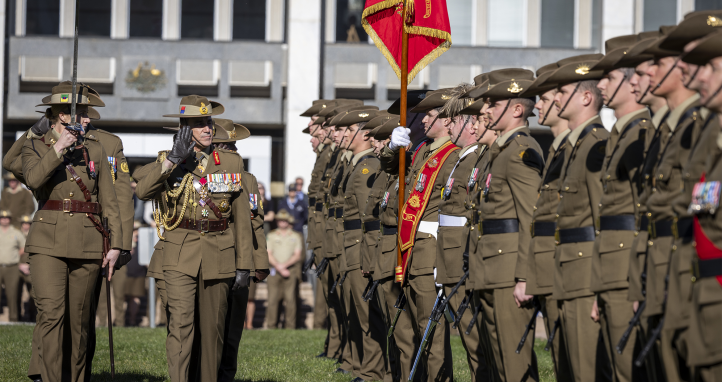
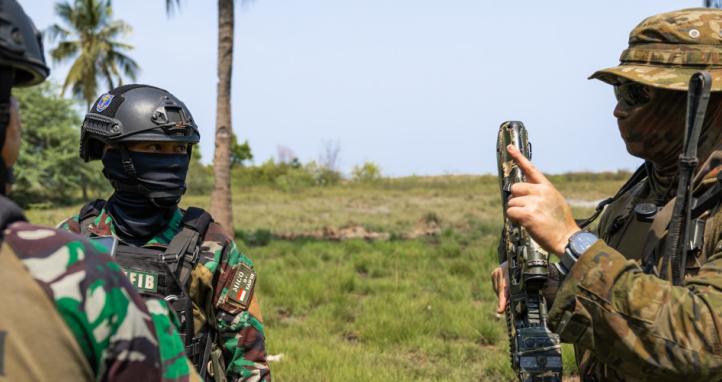
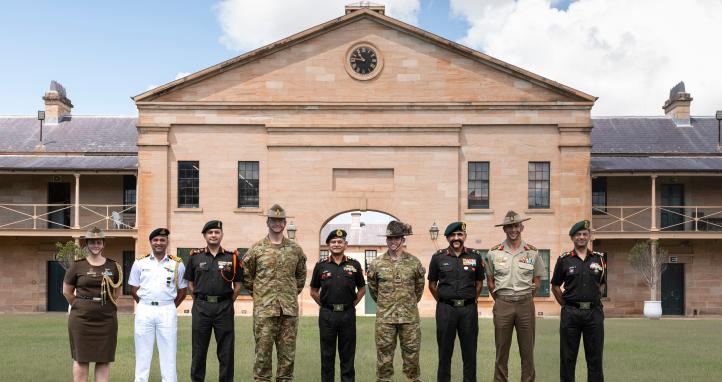
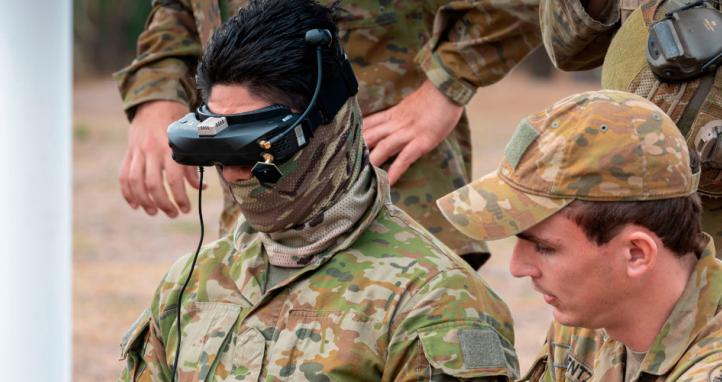
The question is: who is that audience? Is it the Australian public, government, foreign governments, or the generals and RSMs in Canberra?
The current clearance process for imagery and video is slow and out of touch with a media environment where established news organisations can publish within minutes and anyone can livestream from a phone. At times, there seems to be more attention paid to rolled-up sleeves, gloves and hats than to telling compelling stories about real Australian service men and women working and training hard.
More thought needs to be given to accepting risk and telling stories that ring true to the people who see them, the people who capture them and, most importantly, the people who are in them.
The target audience is, intentionally, everyone. Cultural influence doesn't happen through direct messaging, it happens when an organisation becomes part of the stories, conversations and experiences that shape society.
Recruitment is only one downstream outcome. The more fundamental objective is ensuring Army remains culturally understood, relevant and trusted within Australian society. Recruiting would hopefully be just one beneficiary.
In that sense, this is less about just 'communicating' to an audience and more about participating in Australian culture.
As you rightly identify, this requires us to be more nimble and open to what and how we communicate which is underpinned by updated processes that are quicker and accept risk.
There is also less direct community interaction in recruiting. When I joined I was able to go to my recruiting depot in Bundaberg and speak directly to a SNCO and get direct first hand information on the realities of service life and get an understanding of the different roles. Coincidentally this also offers soldiers with a somewhat respite posting. They also had access to schools to talk about careers in defence.
The Army has lost a considerable amount of shin through the IGADF report where no officers were accountable. This demonstrates a total lack of accountability in leadership with in Army so who would want to part of an organisation like that?
A lot of children follow their parents into the army but I don’t know anyone who would recommend it to their children at the moment. The Army uses “people are our capability” as a slogan only, it doesn’t truly behave like it. If they did they would actually take on board soldiers concerns about why they discharging in droves.
As an example I was told after 25 year and eight deployments at every rank up to and including as WO2 EOD technician that I lacked loyalty to the Army during my medical transition out, that I didn’t fight hard enough to stay in. This was from Capt that had been in the Army for about six years with no deployments under her belt.
The army needs to find its self again or the trend of poor recruiting and retention will continue.
I agree that recruitment cannot be viewed in isolation from the broader employee experience. Leadership, culture, transition support, retention and public trust all influence how Army is perceived. If serving members and veterans don't speak positively about their experiences, that inevitably affects Army and recruitment.
At the same time, I think it's important to acknowledge that Army is a large organisation and experiences differ considerably between people, units, corps, postings and generations of service. Likewise, rank, length of service or operational experience (reflected in honours and awards) don't necessarily define the value of someone's perspective or ability to lead. Outstanding leaders and poor leaders can be found at every level, just as members can have both highly rewarding and deeply disappointing careers.
On recruitment advertising specifically, my understanding is that Defence invests significant effort in audience research and campaign testing before advertisements are released. These campaigns are designed to resonate with the audiences Defence most needs to attract, rather than simply reinforcing demographic groups that have traditionally been well represented. If Defence already attracts sufficient interest from one segment of the population, it makes sense to focus marketing effort on broadening that appeal across the Australian community.
That is also the central point of my article, advertising alone is not the answer. Short-form recruitment campaigns are an important part of the attraction system, but they have a relatively short lifespan and are limited in the depth of story they can tell.
Unfortunately, negative stories naturally dominate news cycles and that is the nature of media. If Army's story is only told through recruitment advertisements and news reporting, then Australians receive a narrow view of military service. There is an opportunity for serving members, veterans and Army itself to help shape a broader, more authentic understanding of service through long-form entertainment, sport and other forms of cultural engagement. These approaches allow Australians to see the people behind the uniform over months and years, not just through individual campaigns or headlines.
Ultimately, I believe Army needs to do both, continue improving the lived experience of its people while also becoming a more consistent part of Australia's cultural conversation. If we want to strengthen Army's cultural relevance over the next decade, we cannot rely solely on recruitment advertising or the enduring legacy of the Anzac tradition. We also need contemporary Australian stories that reflect today's Army and the people who serve in it.